GAT Technologies
GAT Technologies
Explore GAT Related Entities
GAT Mining GAT Mining

Transportation

Call Now

GAT Technologies
GAT Technologies

GAT Technologies is at the forefront of supplying the latest technology in transparent polycarbonate glazing for use in the Transportation industry.

Our polycarbonates have numerous advantages compared to traditional glass glazing for transportation and without the drawbacks of additional weight and breakage issues with glass.

Call Now

GAT Technologies

Why Polycarbonate Outshines Glass in Automotive and Transportation Glazing Applications

In the automotive and transportation industries, glazing materials must meet rigorous standards for safety, durability, and performance. Polycarbonate sheets have emerged as a superior alternative to traditional glass, offering a range of benefits tailored to the demands of these sectors.

1. Exceptional Impact Resistance for Safety

Polycarbonate is renowned for its strength, being up to 250 times stronger than glass. This resilience ensures that polycarbonate glazing can withstand high-impact forces, such as debris on highways, hailstorms, or accidents, without shattering. In contrast, glass can break easily, posing safety risks to passengers and drivers.

Polycarbonate’s impact resistance makes it an ideal solution for applications like vehicle windshields, side windows, and headlamp covers, where safety is paramount.

2. Lightweight for Improved Efficiency

Polycarbonate is significantly lighter than glass—weighing approximately half as much. This weight reduction translates into improved fuel efficiency for vehicles and lower energy consumption in transportation systems. Lighter materials also contribute to better handling and reduced wear and tear on vehicle components.

3. Design Flexibility for Advanced Aerodynamics

Polycarbonate’s flexibility allows it to be molded into complex shapes that glass cannot achieve. This capability is particularly valuable in automotive and transportation design, where aerodynamics play a crucial role. From curved windshields to streamlined side windows, polycarbonate enables innovative designs that enhance both aesthetics and performance.

4. UV and Weather Resistance

With advanced UV-resistant coatings, our polycarbonate sheets block harmful ultraviolet rays, protecting vehicle interiors and passengers. These coatings also prevent the material from yellowing or degrading over time, ensuring long-lasting clarity and appearance even in harsh environmental conditions.

5. Compliance with local and international safety glass standards

Our transportation polycarbonate glazing solutions are rigorously tested to meet international automotive safety standards, including:

ISO 9001:2015 & ISO 14001:2015
AS2080:2019 Australia/New Zealand safety glazing for vehicles.
ECE43R European Safety Glass Standard - certification for safety glazing materials in vehicles
ANSI Z26.1 USA safety standard for motor vehicle glazing
AS2, AS4, AS5 USA Safety Glass Standard
JIS R 3211: Japan Safety Glass Standard

These certifications guarantee that polycarbonate delivers reliable performance and safety across a wide range of transportation applications.

6. Enhanced Thermal Insulation

Polycarbonate provides superior thermal insulation compared to traditional glass. This helps maintain comfortable cabin temperatures while reducing reliance on heating or cooling systems, contributing to energy efficiency and passenger comfort.

7. Cost-Effectiveness and Sustainability

While polycarbonate may have a higher initial cost than glass, its durability, lightweight nature, and energy efficiency result in significant cost savings over time. Additionally, its recyclability and longer lifespan make it a more sustainable choice for the automotive and transportation industries.

Applications of Polycarbonate in Automotive and Transportation

Automotive Glazing: Windshields, side windows, and rear windows.
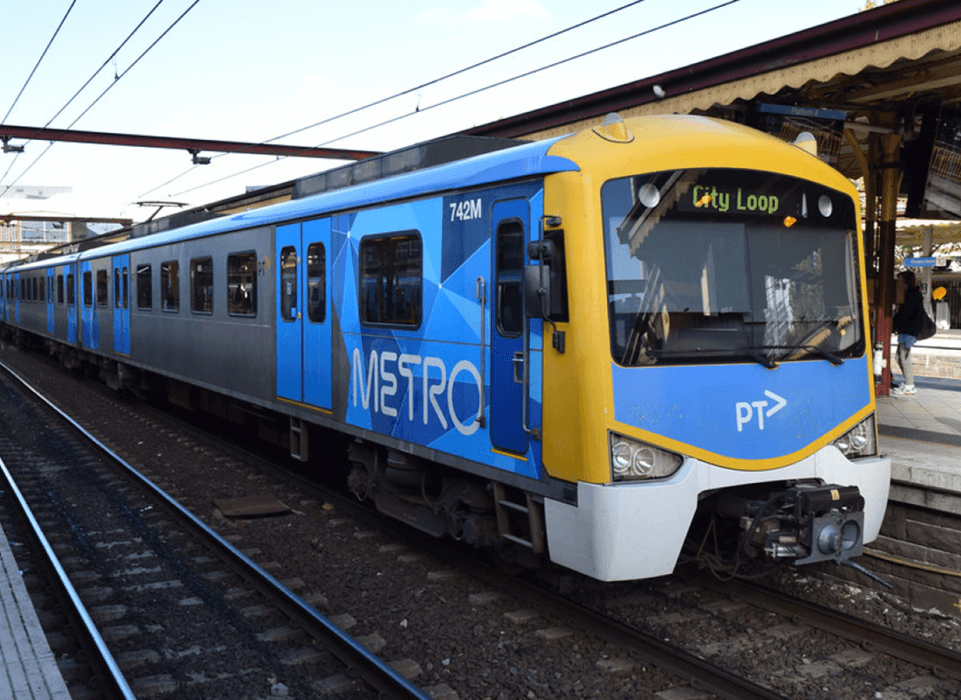
Mass Transit Vehicles: Bus and train windows, train partitions, and tram glazing.
Aviation: Aircraft windows and cabin partitions.
Marine: Boat windshields and cabin windows.
GAT Technologies

Conclusion

Polycarbonate offers unmatched advantages in automotive and transportation glazing applications, combining strength, safety, efficiency, and design versatility. Its compliance with international safety standards ensures reliable performance in demanding environments, while its lightweight and durable nature supports innovation and sustainability. Choose polycarbonate for a glazing solution that drives safety, performance, and efficiency forward.

Call Now

GAT Technologies

Related Brands & Products

Contact Us

Do You Want To Boost Your Business?

Drop us a line and keep in touch

Contact Us

GAT Technologies
GAT Technologies

FAQs

Got any questions? Read through our FAQs.

Transportation Industry FAQ — GAT Technologies

Polycarbonate glazing & mirrors that solve real-world transit problems

This FAQ adds the common pain points seen across bus, tram, rail and depot environment. and shows how TUFFAK® AR2, TUFFAK® HYGARD®, GATGARD® AR (Anti-Reflective Polycarbonate), and GATGARD® AR Mirror (also in FrameSafe™ and MountSafe™) address them better than glass and commodity plastics.

Pain points: shattered panes, heavy panels, scratched/cloudy screens after cleaning, glare on driver shields and passenger info, vandalism/graffiti, long replacement times.

Solution: TUFFAK® AR2/HYGARD® polycarbonate is far tougher than glass, 50% lighter, and available with hardcoats that resist day-to-day abrasion and cleaning agents. GATGARD AR® adds true anti-reflective performance for screens and displays, improving readability and safety.

Product: TUFFAK® AR2 is a monolithic polycarbonate with a factory hardcoat on both faces (abrasion & chemical resistance).
Best used for:

Driver protection screens / cab partitions
Farebox/validator windows, CCTV covers
Shelter and windbreak panels, interior guards in depots
Pain points solved: daily disinfecting that causes haze, micro-scratches from grit, impact from passenger flow—AR2 maintains clear optics with excellent surface abrasion resistance when cleaned correctly.

Product: TUFFAK® HYGARD® is a laminated polycarbonate (PC/PC or hybrid) for multi-hit resistance and optional anti-spall.
Best used for:

High-risk zones (driver enclosures in late-night routes, ticket office barriers)
Station glazing exposed to repeat strikes or thrown objects
Pain points solved: repeated impact that shatters glass, spall on the safe side, heavy laminate weight. HYGARD® absorbs energy, controls fragments and still weighs much less than glass laminates.

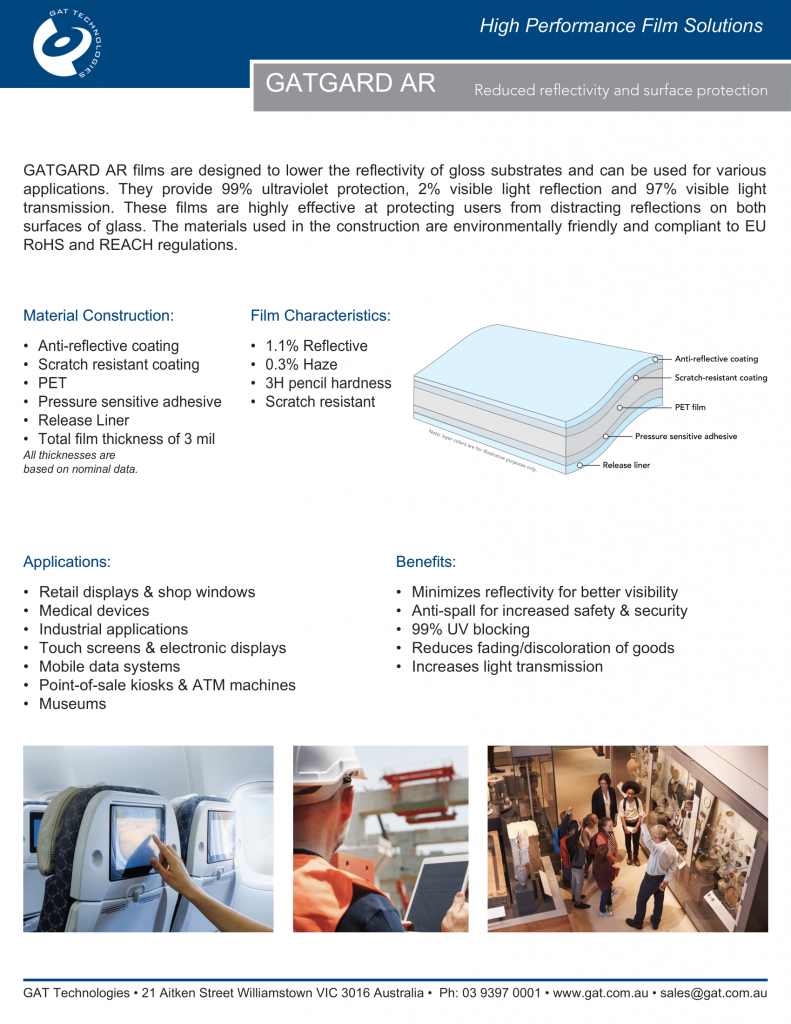
Product: GATGARD® AR is high-impact, anti-reflective polycarbonate.
Best used for:

Bus driver shields (reduce glare and night reflections)
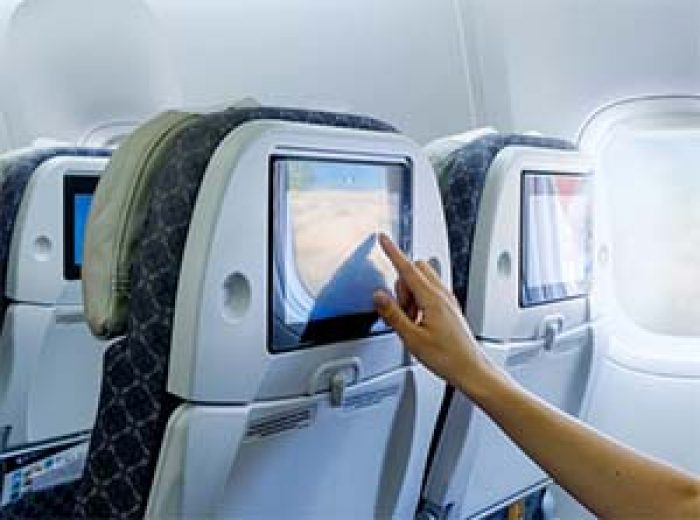
Passenger information displays (PIDs), kiosks, gates & wayfinding in hubs/depots
Pain points solved: glare, reflected headlamps/station lighting, and screen washout; with a hard-coat for frequent cleaning and vandal resistance.

Products: GATGARD® Mirror products:

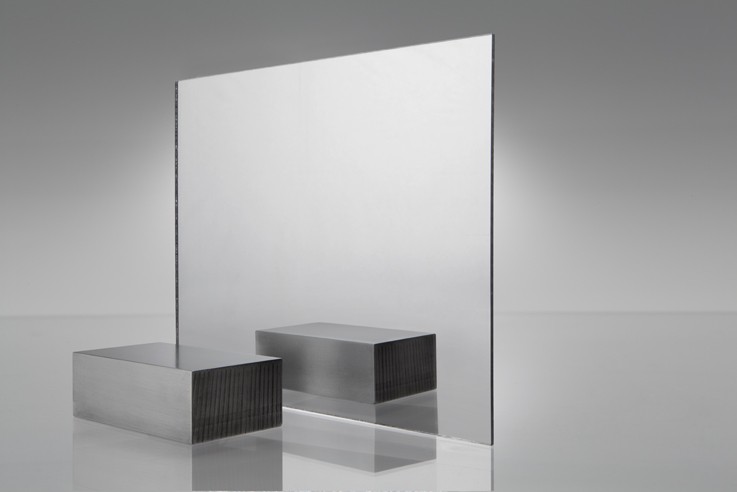
GATGARD® AR Mirror: as a stand-alone 6mm product
FrameSafe™: anti-ligature framed mirror (incorporating GATGARD® AR mirror) assemblies for high-risk zones
MountSafe™: mounted, edge-trimmed panels (incorporating GATGARD® AR mirror) for public restrooms and concourses
Pain points solved:
Glass: shatters and is heavy to replace
Polished stainless: distorted reflection, fingerprinting, scratching
Outcome: Glass-like clarity, shatter-safe, and hardcoat durability that stands up to cleaning and abuse.

Yes—when cleaned correctly.
Guidelines:

Rinse grit first (no dry wiping).
Use mild soapy water or approved plastic cleaners with soft microfibre.
Avoid abrasive pads, strong alkalis, aromatics/ketones.
Maintain wiper blades/seals.
These steps keep the surfaces on TUFFAK® AR2 and GATGARD® AR/Mirror in good condition for the long term
Driver protection screens / cab partitions: TUFFAK® AR2 or GATGARD® AR (choose AR for glare-critical routes)
High-risk barrier zones / repeat strikes: TUFFAK® HYGARD® (multi-hit, anti-spall options)
PIDs / kiosks / gates / monitors: GATGARD® AR
Shelters / interior guards / depot panels: TUFFAK® AR2
Public mirrors: GATGARD® AR Mirror in FrameSafe™ (anti-ligature framed) or MountSafe™ (mounted, edge-trimmed)

We size panels by span, support, target deflection, impact risk, and optical spec. Share drawings or measurements and we’ll recommend TUFFAK® AR2/HYGARD®/GATGARD® thicknesses with deflection checks.

Fewer breakages = less downtime
Lighter panels = safer, faster installations
Hard-coat durability = longer optical life under frequent cleaning
Result: compelling TCO vs. glass and a major step-up from commodity plastics.
Application (driver screen, PID cover, kiosk barrier, mirror, etc.)
Sizes/quantities, frame & gasket details
Optical needs (AR/tint/IR; any glare/readability targets)
Cleaning regime (chemicals, wipers) and environment (UV, grit)
TUFFAK® AR2monolithic, hard-coated polycarbonate for daily-abuse glazing.
TUFFAK® HYGARD® — laminated polycarbonate for multi-hit / anti-spall needs.
GATGARD® AR — anti-reflective, high-impact polycarbonate for drivers and displays.
GATGARD® AR Mirror in FrameSafe™ / MountSafe™clear, shatter-safe mirrors that outperform glass and stainless

Next step: Tell us your routes, assets, and problem areas—we’ll match a TUFFAK® / GATGARD®  configuration that fixes the pain points and keeps your network clear, safe, and in service.

cross